1
A serving special-forces officer and former senior innovation-department official described a procurement pipeline — from Brave1 project intake, through Armed Forces testing ranges with real soldier feedback, to a signed contract — that runs in three to four months: "No NATO country can do it. Only Ukraine has such a capability."
2
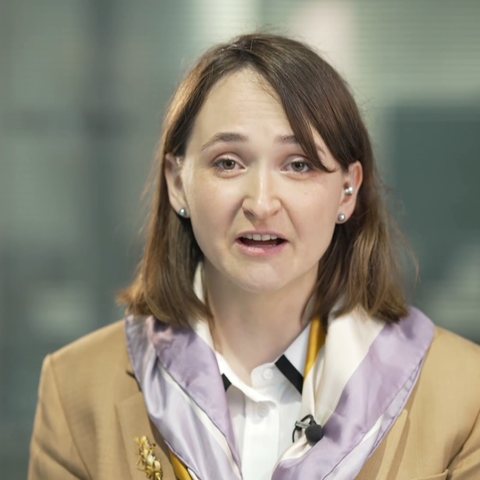
Oleksandra Azarkina (former deputy infrastructure minister) made the striking point that Ukraine's real battlefield innovations were financed by private business, not the state pipeline, and revealed that Ukraine's home-grown battlefield-management system Delta beat out a US-backed Palantir effort — preserving a sovereign data asset she called a hidden "gold mine" of nearly four years of war data.
3
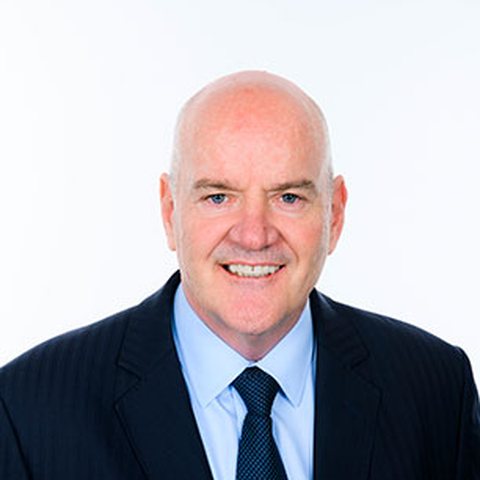
Kevin Craven (CEO, ADS Group) quantified why Ukraine is an irresistible test bed: licensing a product in the UK can take three years and £300,000, while the same evaluation in Ukraine costs about $15,000 and takes one month — and he re-engineered ADS's own trade missions after finding a single government-led mission cost £3 million, took four months to arrange, and left almost no time for company-to-company contact.
4
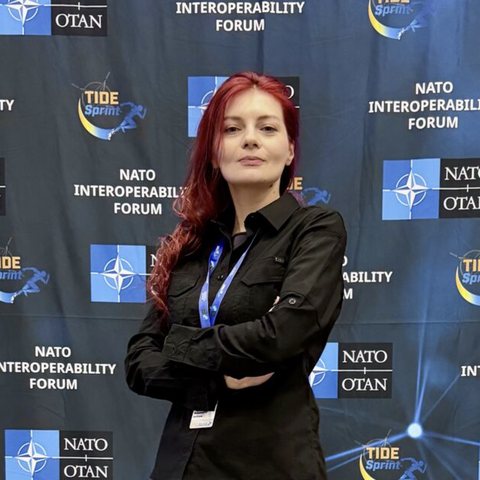
Maria Lemberg (Shpyg Foundation; Aerorozvidka) insisted Ukraine's edge began in 2014, not 2022 — giving it 200,000 combat-experienced veterans and NGO-driven innovation (the situational-awareness system that became Delta) — and grounded it in grief: she pointed to the funeral, held that day, of a 19-year-old Azov soldier, daughter of one of the community's founders, arguing Ukraine innovates to survive, not to commercialise.
5
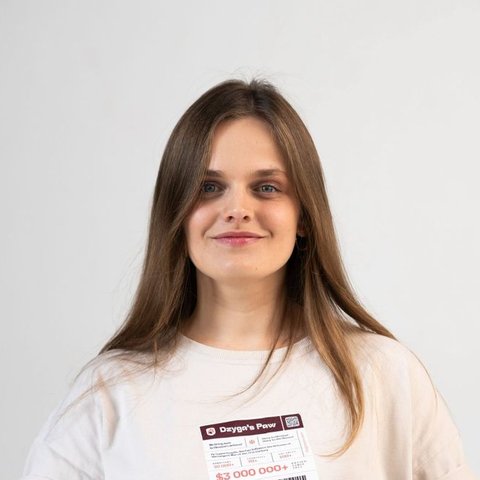
Iryna Zhluktenko (Dzyga's Paw) showed innovation happening below the unit level — a small Territorial Defence team that built an extension battery for the Mavic 4 (after DJI discontinued the Mavic 3), pushing flight time past 60 minutes because the military's own approval chain was too slow — while Azarkina's headline ask was structural: a loan-financed International Procurement Agency outside Ukraine with equal, transparent rules for Ukrainian, British, German and French producers, and ultimately a European Defence Industry Union modelled on the Coal and Steel Community.