1
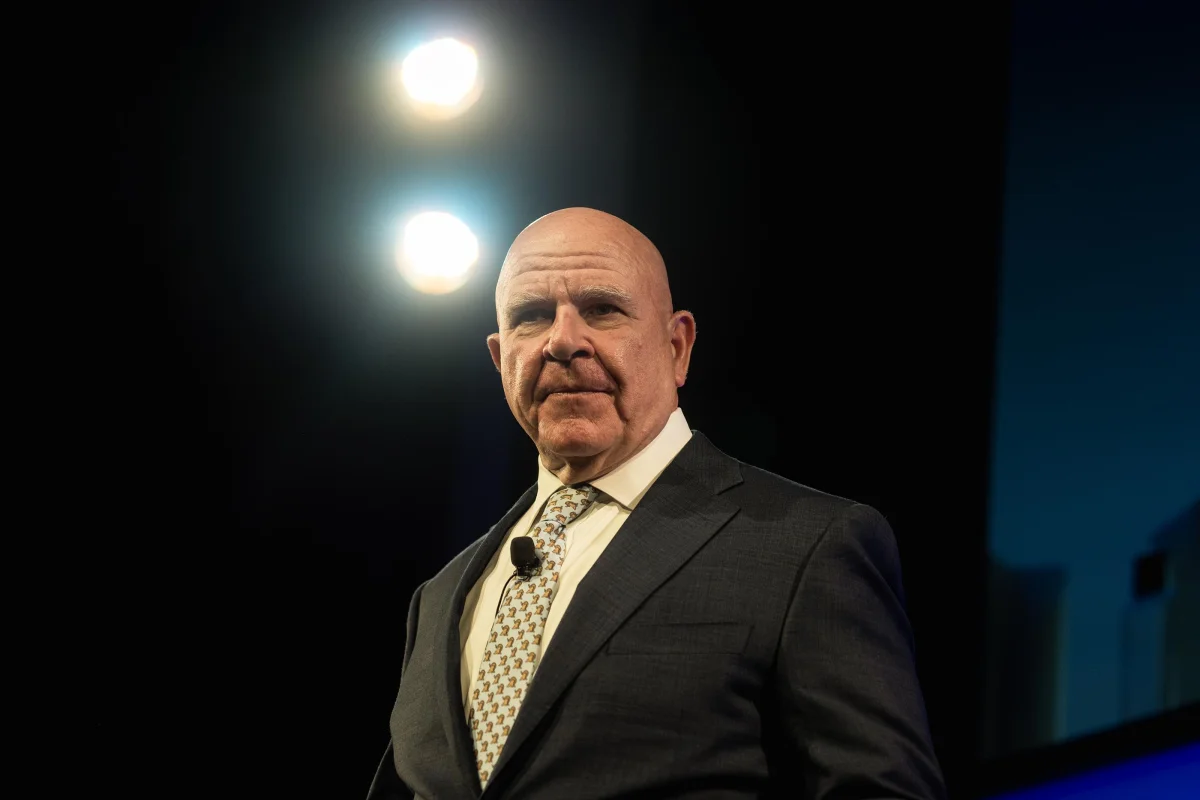
H.R. McMaster framed deep strike as a continuum from the 1942 Doolittle Raid and Sherman's march to today's Ukrainian campaign, arguing the goal is to overmatch the enemy cognitively and seize the initiative — but citing historian Conrad Crane's "Bombs, Cities, and Civilians" to warn that bombing a society can harden its will, which is why Ukraine ties its strikes explicitly to self-defence.
2
A serving Ukrainian special-operations commander distinguished Ukraine's precision, military-targeted strikes from Russia's terror bombing, and reported that the refinery and long-range campaign is measurably biting: air travel disrupted, fuel shortages, and eroding public support for the war inside Russia — with the Kerch Bridge hit three times using a different drone type each time.
3
A defence-industry executive and former intelligence chief punctured the "demand signal" optimism running through the day: the deep-strike weapons simply do not exist at the volumes required — you cannot fight a 1,000–2,000 km war with $2 million missiles when you need hundreds per day, and China supplies components massively and cheaply, so the West must invest not just in procurement but in R&T and industrialisation to drive cost down.
4
Gen Sir Nick Borton delivered the panel's most sobering structural point: a future fight will be a single NATO plan (SACEUR's family of plans), but Russia can mass on the border before Article 5 triggers and open with a close fight the instant the first soldier crosses — instantly negating NATO's long-range fires and deep-battle advantage.
5
The most powerful moment came not from the panel but from a Ukrainian audience member who argued that societies only truly mobilise when their own soldiers go to fight and their own families are under the missiles, and urged targeting Russian conscience directly — telling Russians their children will pay for this war; McMaster's closing prescription was to weaken the whole "axis of aggressors" by attacking its five sources of strength (cash flow, security forces, control over life choices, narratives, and a passive international system).