1
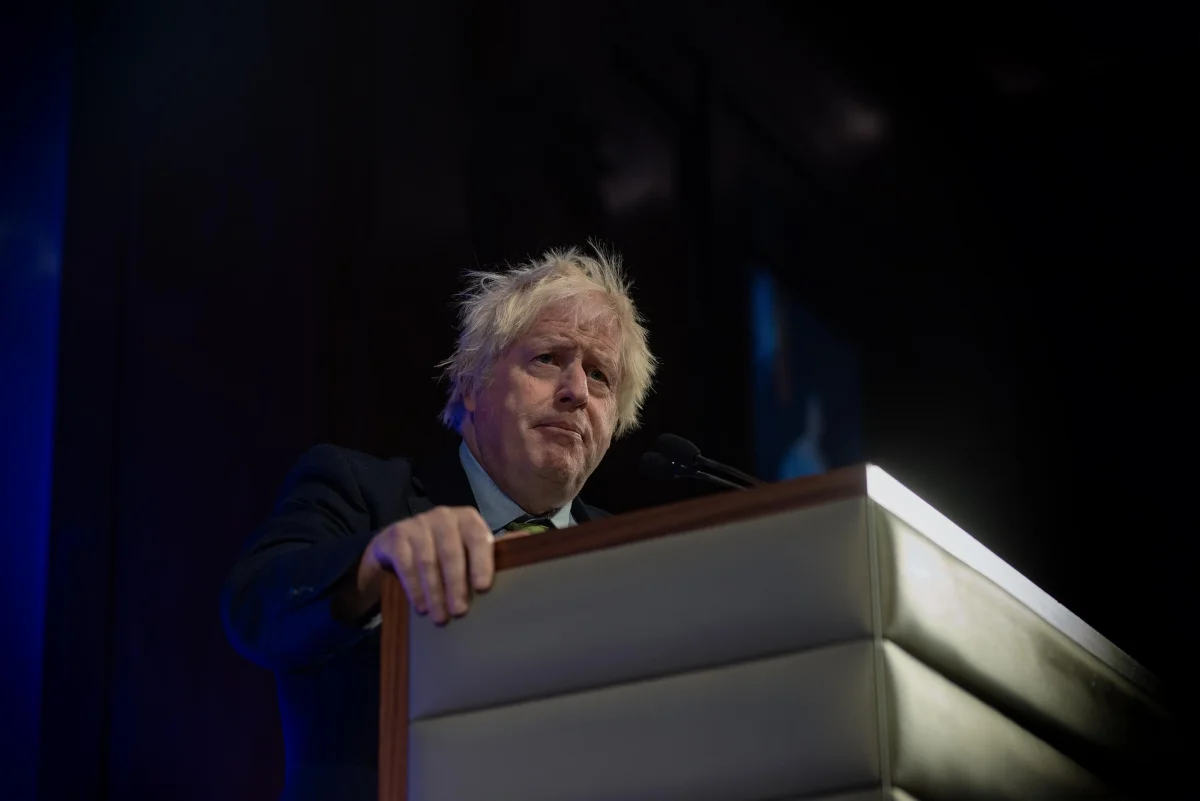
Boris Johnson repeatedly steered the discussion to one lever — the roughly $250 billion of frozen Russian assets held up in Belgium via Euroclear — insisting Putin has a money problem while Ukraine has a manpower problem, and that releasing that "huge wall of money" would shift both Ukraine's capabilities and Putin's psychology.
2
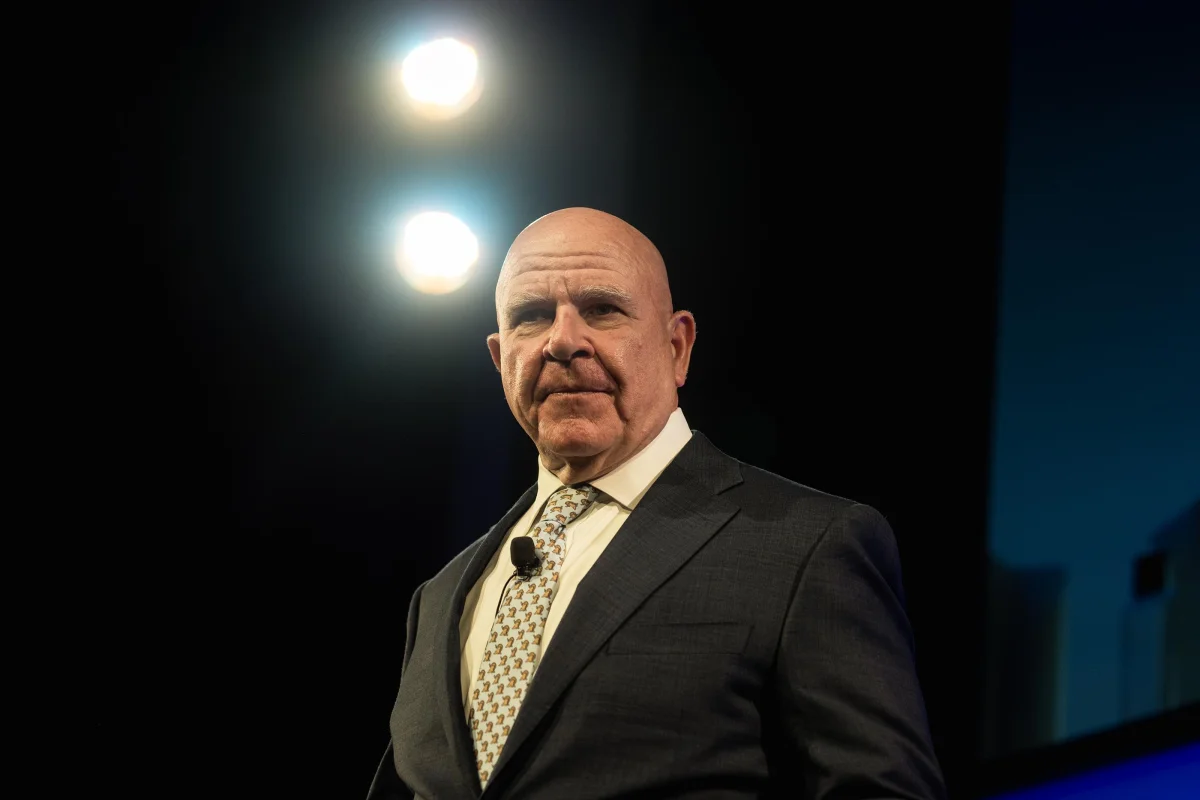
McMaster distilled his thesis to a single sentence — "he won't stop until he is stopped" — and argued Putin is provoked by perceived weakness, not aggrieved by NATO; he recounted rolling out a timeline chart in the Oval Office in 2017 showing how displays of weakness (the unenforced 2013 Syria red line) preceded Russian aggression, which is how he says Trump was persuaded to send Javelins.
3
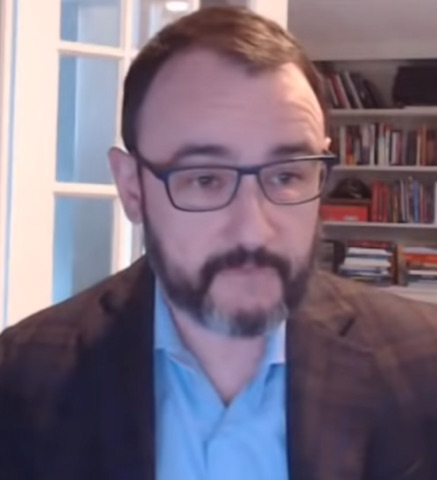
Michael Kofman (Carnegie) argued the "coalition of the willing" should really be tested as a coalition of the capable: European militaries could deploy something like a multinational division to Ukraine now, but it would require trade-offs against NATO regional-defence plans — and he warned that waiting for a ceasefire is self-defeating because ceasefires with Russia reliably break down, forcing repeated deploy-and-withdraw cycles.
4
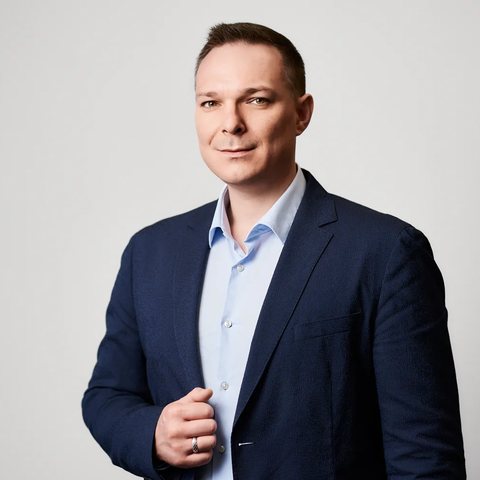
Sergey Vysotskiy (NAUDI) upended the standard "Ukraine needs investment to scale" framing: his association's plants run at only 20–50% of capacity, and having self-funded the relocation of 250,000 tons of equipment and building 20+ new facilities, what they need is procurement (financing of the final product, Danish-model), not equity — and he claimed Ukrainian systems deliver 80–90% combat-availability versus 15–20% for some NATO kit that must be shipped to Poland for maintenance.
5
Kofman offered the deceptively simple fix everyone already knows: multi-year contracts to industry, because no company builds a new production line for a war that might end next year — while McMaster closed by insisting China should not be discounted, arguing it is effectively fighting a proxy war against Europe through Russia.